
Franchise Basketball: Pro GM
Fantasy Moguls, Inc.Sports
4.2797.00 Reviews
- Version
- 4.0.13
- Installs
- 1.00M
- Age Rating
- Everyone
Screenshots
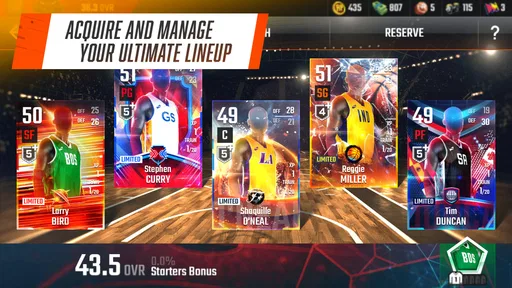
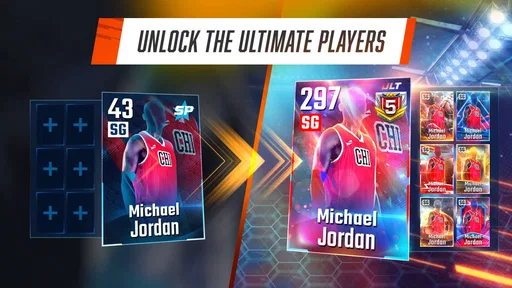
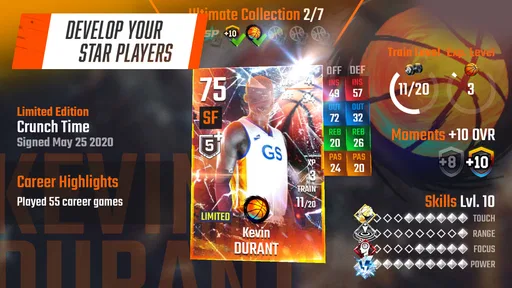
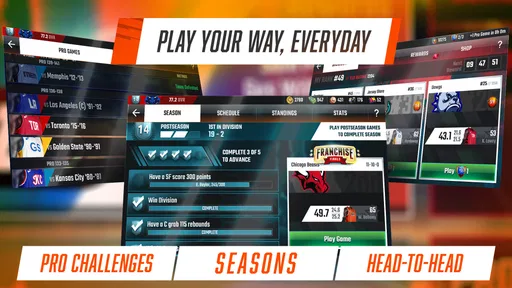
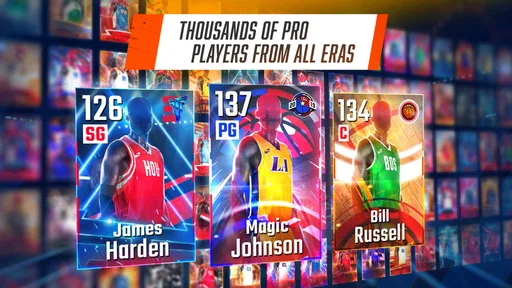
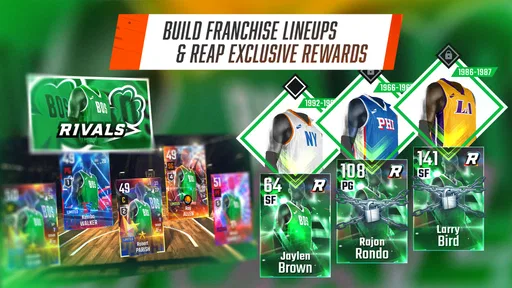
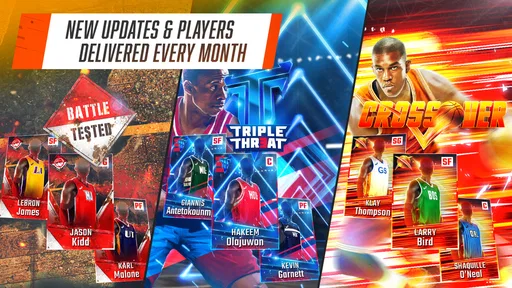
Our Review of Franchise Basketball: Pro GM
 Analysis by Appyee
I spent time with Franchise Basketball: Pro GM as a sports management game rather than a quick arcade basketball title, and that distinction matters from the first session. Its appeal is not mainly about controlling every pass or shot yourself. It is about taking responsibility for a basketball franchise, making decisions, and seeing whether those choices can gradually turn an ordinary team into a champion. The idea is easy to understand, but the experience asks for more patience than a typical pick-up-and-play sports game.
The game is free to download, carries an Everyone age rating, and comes from Fantasy Moguls, Inc. It has built a sizeable audience, with more than a million installs and an average score of 4.2 from roughly 7,000 ratings. Those figures suggest that the basic franchise fantasy connects with many players, although they do not remove the need to decide whether this slower, decision-focused style suits you.
What the first sessions are really asking you to do
The opening goal is refreshingly clear: start with a franchise and work toward building a champion. I did not need to learn a complicated basketball control scheme before understanding the point of the game. The early experience is about getting comfortable with the responsibilities of a general manager and recognizing that each choice contributes to a longer project rather than producing an instant highlight.
That makes the first goals more useful than a simple tutorial checklist. They establish a way of thinking. Instead of treating a single match as the entire experience, I began looking at the team as something that needed direction over time. A good early decision might not create an obvious reward immediately, but it can shape how the franchise feels in later stages.
This is also where the game separates itself from basketball games built around direct action. If you want to dribble around defenders, time jump shots, or control a full match minute by minute, this is probably not the right first choice. The satisfying part here is the planning layer. I enjoyed asking what kind of team I wanted to build and whether my short-term choices were helping that larger identity.
One practical tip is to avoid treating every early objective as a race. I found it more helpful to use the opening period to learn which decisions actually improve my position and which ones merely feel exciting in the moment. That habit reduces the temptation to spend resources impulsively, especially when progression starts presenting more than one attractive direction.
Progress feels clearer when you judge the franchise, not one result
The strongest progress signal is the changing condition of the franchise itself. A single win or loss can be emotionally loud, but it is not always the best measure of whether the team is moving forward. I got more value from looking at the broader direction: whether my choices were creating a stronger foundation and whether the next target felt more achievable than the previous one.
This approach gives the game a useful rhythm. Goals provide a reason to return, while the franchise concept gives those goals context. Unlocks and milestones matter most when they feel like evidence that the organization is developing, not merely prizes placed between unrelated matches. The game works best when I connected each new step to the larger ambition of becoming a better club.
There is a subtle trade-off here. Players who need constant, visible rewards may find the pace restrained. A management game cannot make every decision feel dramatic without making the structure meaningless. I sometimes had to accept that the satisfaction came from recognizing a gradual improvement rather than receiving a spectacular payoff every few minutes.
For an everyday example, I can imagine opening the game during a commute or while waiting for an appointment, setting one modest franchise goal, and checking whether my latest decision helped achieve it. That is a better fit than trying to squeeze in a complete, action-heavy basketball session. The game rewards attention in small portions, provided I return with a clear intention instead of tapping through without thinking.
How the challenge develops without becoming an action game
The difficulty curve is tied more to decision quality and patience than to physical skill. There is no need to master a virtual joystick to make progress, but that does not mean the game is effortless. The challenge comes from choosing carefully, accepting that not every plan will work immediately, and understanding that a franchise cannot be transformed through one isolated decision.
I liked this form of difficulty because it leaves room for different kinds of players. Someone who enjoys sports strategy can find a meaningful challenge without needing fast reactions. At the same time, the game can feel less exciting if you measure challenge only by speed or spectacle. Its pressure is quieter: it asks whether you can stay with a plan when the results are not instant.
A useful way to play is to separate experimentation from commitment. When I was unsure about a direction, I treated the next objective as a test rather than assuming it would define the entire franchise. That mindset made setbacks easier to interpret. Instead of seeing a disappointing result as proof that the game was unfair, I could ask whether I had chosen the wrong priority or expected progress too quickly.
The trade-off is that the game’s challenge depends on the player supplying some of the curiosity. It does not need to turn every moment into a crisis, but players who want highly dramatic competition may find the management structure too calm. In contrast, those who enjoy thinking through consequences may appreciate that the game does not reduce basketball to reflexes.
Where pacing supports long-term play, and where it can push back
The pacing is designed around returning to a continuing franchise rather than finishing the entire experience in one sitting. That supports a comfortable routine: make a few decisions, check the state of the team, pursue the next target, and come back later with a fresh view of the season-long project. I found that rhythm more sustainable than a game that demands constant concentration from the start.
Still, slow progression can create retention pressure. Once the novelty of starting a franchise wears off, the game has to make the next goal feel worthwhile. This is where personal motivation becomes important. If I cared about seeing the team improve step by step, the pacing felt deliberate. If I wanted immediate access to the most exciting parts of the fantasy, the same pacing could feel like a barrier.
The presence of in-app purchases adds another consideration. The game costs nothing to download, but optional purchases range from $0.99 to $79.99 per item. I would advise setting a personal spending limit before getting deeply invested. A free entry point is welcome, yet a player should be comfortable enjoying the franchise at its natural pace rather than feeling pushed to pay whenever progress slows.
That advice is especially important for younger players, even though the content rating is Everyone. An age rating describes suitability of content, not how easily someone may be tempted by optional spending. I would let a child play only with an agreed approach to purchases, and I would use the same discipline myself. The most satisfying decisions should remain the ones I make inside the franchise, not the ones made at a payment screen.
One of the better ways to reduce that pressure is to define a session goal in advance. I might decide to focus on one piece of franchise progress, then stop when that goal is complete. This prevents the familiar mobile-game loop of continuing simply because the next reward is visible. It also makes the game feel more like a strategy hobby and less like a demand for constant attention.
Who gets the most from this basketball management style
I would recommend this game to someone who likes sports stories built through decisions. It is a good match for players who enjoy imagining themselves as the person responsible for a team’s direction, especially if they prefer planning to direct control. It also suits people who want a basketball game that can be enjoyed in shorter visits rather than requiring a full competitive session every time.
The game may also work for fans who normally watch basketball for the wider narrative: rebuilding a struggling team, setting a long-term target, and wondering whether a different decision could have changed the outcome. That kind of player can find meaning in the franchise arc even when an individual result is not perfect.
I would be more cautious about recommending it to someone seeking a realistic simulation with extensive statistical depth, or to someone who wants to play against others through immediate on-court action. I would also steer away players who dislike gradual unlocks and prefer to have every major option available at once. The central pleasure depends on accepting progression as part of the game rather than seeing it as an obstacle around the game.
Compared with a conventional basketball title, this is less about athletic execution and more about ownership of a team’s future. Compared with a pure strategy game, its sports setting gives the choices a more recognizable emotional frame: the goal is not merely to maximize abstract numbers, but to build a basketball champion. That middle ground is its clearest identity.
Small habits that make the experience more rewarding
My first recommendation is to keep a mental distinction between short-term success and franchise health. A decision that produces a quick benefit may not be the most satisfying long-term choice, while a slower route can make later objectives feel more meaningful. The game becomes easier to appreciate when I stop demanding that every action pay off immediately.
Second, I would revisit the reason behind each goal before starting a new session. That simple pause prevents aimless progress. If the next target is connected to a broader plan, I can judge success more intelligently; if I am only chasing the nearest reward, the game starts to feel repetitive much sooner.
Third, I would treat purchases as optional conveniences rather than part of the basic definition of success. The free starting point makes it possible to decide whether the franchise loop is enjoyable before spending anything. If the core decisions do not hold my attention, paying more will not solve that problem.
Finally, I would give the game time to reveal whether its pace works for me. A short first session can show the premise, but the real question is whether I enjoy returning to the same franchise and making another considered choice. That is a more useful test than judging it only by the first few minutes.
Technical details and the practical download decision
The current release is version 4.0.13, and it runs on Android devices using version 7.0 or later. That makes the compatibility requirement relatively approachable for many Android users, though I would still check the operating system on an older phone before trying to install it. The developer is Fantasy Moguls, Inc., and the game has been available since December 12, 2018.
Because it is free to start, the sensible approach is to install it without committing financially, play through the early franchise goals, and pay attention to your own reaction to the pacing. Ask yourself whether you enjoy the decisions between milestones, not just the idea of eventually building a champion. That answer will tell you more than the store summary alone.
I would also keep expectations realistic about what “sports game” means here. The category may attract people expecting direct basketball gameplay, but the franchise-management focus changes the experience completely. The game is at its best when I want to think like a general manager for a while, not when I want to feel like the player on the court.
My final verdict on the progression loop
The progression works when you enjoy the journey of building a franchise more than the instant thrill of controlling a match. Early goals give the experience direction, milestones make improvement visible, and the gradual challenge encourages me to think beyond one result. The pacing can be patient, and optional purchases mean I would approach it with a clear spending boundary, but those issues do not erase the appeal of the central idea.
After playing it, I see Franchise Basketball: Pro GM as a focused choice for sports fans who like management, planning, and long-term progress. I would recommend it to a friend who enjoys checking in on a developing team and making decisions with consequences. I would not recommend it to someone looking for fast on-court action or a fully open sports sandbox.
Its best quality is that it gives ordinary decisions a sense of ownership. I am not just completing disconnected tasks; I am trying to shape a franchise and decide what kind of team it can become. If that fantasy sounds rewarding, the free download is worth trying. If the appeal of basketball for you is movement, timing, and direct competition, another type of sports game will probably be a better fit.
Verdict
Strengths of Franchise Basketball: Pro GM
- Deep roster management with trades, contracts, scouting, and player development.
- Matches are quick to simulate, making it easy to progress through a full season.
- Multiple leagues and competitions provide variety beyond the regular season.
- Player ratings and roles make lineup decisions feel meaningful.
- Runs well on most devices without demanding high-end hardware.
Limitations of Franchise Basketball: Pro GM
- Limited visual presentation may disappoint players seeking a live basketball experience.
- Progress can feel slow without spending resources or waiting for timers.
- The large number of menus may overwhelm new players at first.
- Some advanced features require online access to function properly.
- Long-term seasons can become repetitive once your team reaches the top.
Other Releases by Fantasy Moguls, Inc.
View All
Franchise Baseball: Pro GM
Sports4.4

Franchise Football: Pro GM
Sports4.4

The Program: College Football
Sports4.5

Franchise Hockey: Pro GM
Sports4.3
Similar Picks in This Category
View All
8 Ball Pool
Miniclip.com4.8

Pooking - Billiards City
AIM TOP GAME TECHNOLOGY LIMITED - pool4.6

Carrom Pool: Disc Game
Miniclip.com4.4

EA SPORTS FC Soccer Mobile 26
ELECTRONIC ARTS4.6

World Soccer League
mobirix4.3

Soccer Cup 2026: Football Game
INLOGIC SPORTS - football tennis golf soccer4.3
Frequently Asked Questions
What is Franchise Basketball: Pro GM, and what do you do in the game?
Franchise Basketball: Pro GM is a management-focused basketball game in which you take control of a professional team rather than directly controlling players on the court. Your responsibilities typically include building the roster, negotiating contracts, managing finances, developing talent, setting tactics, and making long-term decisions. It is designed for users who enjoy strategy, planning, and the challenge of creating a successful basketball organization over multiple seasons.
Is Franchise Basketball: Pro GM suitable for casual players or is it very complicated?
The game is more suitable for players who enjoy detailed sports management than for those looking for quick arcade matches. New users may need time to understand roster construction, player roles, budgets, contracts, and team development. However, the experience becomes easier once the menus and statistics are familiar. If you like making decisions and seeing how they affect a season, the learning curve is rewarding rather than overwhelming.
Does Franchise Basketball: Pro GM require an internet connection to play?
Connection requirements can depend on the version available for your device and how its online services are implemented. Some management features may work offline, while updates, cloud saves, advertisements, purchases, or other connected functions may require internet access. Before downloading, check the current Google Play or App Store listing for the developer’s latest requirements. It is also wise to confirm whether your progress is stored locally or synchronized online.
Does the game include in-app purchases, advertisements, or paid features?
The monetization model may vary according to the platform, region, and version of Franchise Basketball: Pro GM. Management games can include optional purchases, advertising, premium upgrades, or other features that affect convenience rather than basic access. Review the store listing and the in-app purchase section before installing, especially if children will use the device. You should also check whether disabling advertisements or unlocking additional content requires a separate payment.
What devices are compatible with Franchise Basketball: Pro GM?
Compatibility depends on the operating system, device model, available storage, and the minimum software version supported by the developer. Before downloading, open the official listing on Google Play or the App Store and verify that your phone or tablet is included among the supported devices. A newer device is generally preferable for smoother navigation, especially during long seasons with large rosters, saved leagues, statistics, and multiple management screens.
Play our best games!


